Pillow Choices for Side Sleepers: Aligning Support with Sleep Quality
Choosing the right pillow can transform comfort for side sleepers by promoting spinal alignment and reducing pressure points. This guide explores pillow materials, loft levels, and filling options to help readers select a model that supports a neutral neck position throughout the night.
In the quiet of the bedroom, a pillow is more than a soft surface; it is a negotiator between neck, shoulder, and skull, a sentinel that keeps the spine in a horizontal sermon about alignment. For side sleepers, the pillow must bridge a gap—between the broadness of a shoulder and the curve of a cervical column—without letting the neck tilt toward the ceiling or sink toward the mattress. The goal is a neutral neck position, a line of sleep that reminds the body what it means to rest without effort.
This article speaks to distinct time horizons for pillow design: memory foam, latex, and down-alternative fillings; the art of loft (height) and firmness; and practical ways to test a pillow at home. We weave in voices from three time periods who, in their own beds, wrestled with sleep and support: the classical physician and anatomist, the 20th-century medical researcher, and the contemporary designer of sleep systems. Together they illuminate how a pillow can become a trusted ally rather than a source of disruption.
1) Understanding loft and neck alignment for side sleepers
Loft, or the vertical height of a pillow, is the most tangible dial a sleeper can adjust. For side sleepers, a higher loft is often necessary to fill the space between the shoulder and the ear, preserving a straight spinal lane. If the pillow is too low, the head tilts downward, bending the neck and inviting tension. If too high, the neck is forced into an unnatural bend, which can evening out headaches or waking pain.
A practical range for side sleepers commonly falls in the vicinity of 4 to 6 inches of loft, though shoulder width and mattress firmness can shift that range. A broader shoulder frame on a firm mattress might favor the higher end, while a narrower frame or plush surface might work with a slightly lower loft. The test is simple: lie on your side with your trunk supported by a mattress that matches your sleeping preferences. If your neck remains in line with your spine and you feel relaxed, you’ve found a suitable loft.
2) Materials and filling: memory foam, latex, and down-alternative
Memory foam pillows contour to the shape of your head and neck, offering tailored pressure relief. They are excellent for people who want a predictable sleep surface and a stable position through the night. However, memory foam can trap heat for some sleepers, which may affect comfort in warmer climates or for individuals who sleep hot. Modern memory foams often incorporate gel-infused layers or open-cell structures to improve breathability, but the experience varies by brand and density.
Latex pillows, whether natural or blended, tend to balance support with resilience. They maintain loft longer and offer a springy feel that some sleepers associate with refreshed alignment upon waking. Natural latex resists mold and microbes, a practical advantage for allergy-conscious households. Latex is generally breathable and cooler than dense memory foam, though it can feel firmer to some users at first contact.
Down-alternative pillows provide a cloud-like softness with decent support, appealing to those who want a plush surface without the allergens often associated with down. Modern synthetic fills can approximate the loft and fluff of down with good return-to-shape characteristics, but loft longevity and compression resistance can depend on construction and fiber fill weight.
3) A practical decision checklist
- Assess your shoulder width and mattress firmness: A broader shoulder frame and a firmer bed typically require a higher loft, while a more petite frame or softer mattress can tolerate a mid-range loft.
- Choose a baseline firmness: If you prefer a pillow that compresses slowly and supports a long neck, start with medium to medium-firm options and adjust up or down based on how your head and neck feel after a night.
- Test at home: Many brands offer trial periods. During a 30-night trial, observe whether your spine remains aligned, whether you wake with a sore neck, and whether you finish the night with a relaxed jaw and facial muscles.
- Maintenance matters: Pillow care—whether it is washing, fluffing, or replacing—affects loft longevity. Some materials benefit from cover protection and regular airing to maintain shape and freshness.
4) Expert voices across time
Three figures, separated by centuries, illuminate how the quest for rest moves through medical, scientific, and design conversation. Each speaks in a language of care for the neck, a concern for posture, and a belief in sleep as a practice of daily renewal.
Hippocrates (c. 460–370 BCE)
Long before memory foam and latex were pondered by engineers, the physician-philosopher from Cos urged balance between the body’s humors and its resting posture. In his notebooks, the patient’s comfort is a precursor to healing; a neck in proper alignment was a postulate for reducing fatigue and promoting recovery.
Legacy: An early insistence that rest is not mere cessation but a disciplined alignment of body and mind.
Robert O. Williams (20th century sleep researcher)
In the mid-20th century, researchers began to chart sleep stages, muscle tone, and posture’s effect on restful cycles. Pillow design started to reflect empirical findings: support that reduces nocturnal movement, stabilizes the spine, and diminishes wakefulness prompted by discomfort.
Legacy: Sleep is a measurable state, and pillow loft can be treated as a controllable variable in the science of rest.
Ava Chen, modern sleep-system designer (late 2010s–present)
A contemporary voice in bedding education, Chen emphasizes modular comfort: pillows that adapt to micro-mests of sleep positions, breathable materials, and user-driven testing. Her approach echoes a broader design ethos—sleep as a personalized system rather than a single product.
Legacy: The pillow is part of a larger ecosystem—how you sleep, where you sleep, and what surrounds you—crafted with data, craft, and empathy.
5) Product spotlight: a thoughtfully chosen addition
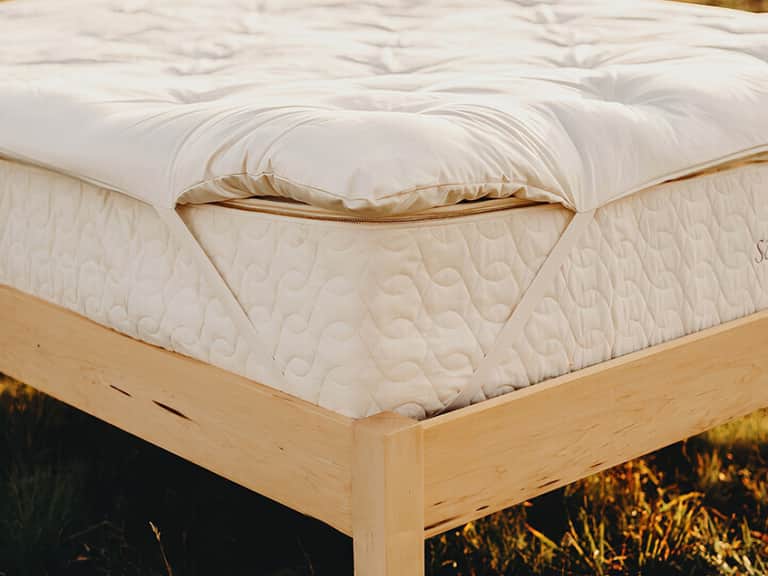
In the spirit of curated bedding education, a carefully selected topper or pillow can illustrate the ideas above. The Savvy Rest Natural Savvy Woolsy Mattress Topper represents a blend of comfort strategies: natural wool for pressure relief, breathability, and climate regulation. While a topper sits on top of the pillow—rather, a topper sits on the mattress—it informs how layering can influence perceived loft, pillow performance, and overall sleep posture. Wool’s moisture-wicking properties, coupled with a certified organic cotton cover, make it a useful component in a layered sleep system that managers heat and moisture throughout the night.
Savvy Rest Natural Savvy Woolsy Mattress Topper
A plush layer that adds pressure relief while promoting airflow. The wool blend works in concert with a breathable cotton cover to moderate microclimate—an ally for hot sleepers and those seeking a softer initial feel with reliable support underneath.
Price: $649.00
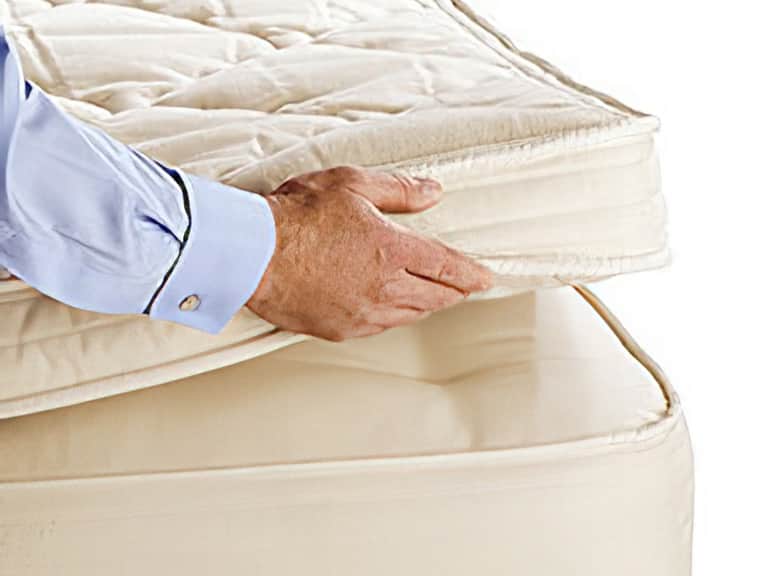
The Clean Bedroom, Royal-Pedic Pillowtop Pad (example of layering)
A pillowtop that can augment perceived height and shoulder relief, exemplifying how layering design informs side-sleep comfort. This accessory demonstrates the principle that sleep quality is often a sum of parts—mattress, topper, pillow, and room environment—working in synergy.
Note: Availability and models vary; verify suitability for your bed setup.
6) Quick-start pillow guide for side sleepers
- Measure your shoulder width or estimate the space available to support the head without twisting the neck.
- Choose a loft range around 4–6 inches for most side sleepers, adjusting for mattress firmness and personal preference.
- Start with a medium-firm pillow if you are unsure of your preference, and test with a sleeps-in test period.
- Consider a pillow with a washable cover and removable fill for easy maintenance and longevity.
- When testing, ensure your ears are aligned with your shoulders, and your jaw is relaxed.
7) The Sleep and Beyond reference points
The domain-top of the bed approach is not only about the surface that greets your head but also about the larger ecosystem of textiles and sleep tools that cradle you through the night. Beyond pillows, the Sheets and Bedding Education sections offer a deep dive into breathability, weave, and care. The enduring message is simple: sleep quality is both a science and an art of daily ritual.
8) A practical glossary for a hurried night
- Loft: The height of a pillow from its base to the crown, influencing neck support.
- Density: The firmness characteristic of memory foam or latex; higher density often means longer-lasting support.
- Breathability: The ease with which air moves through a pillow, affecting temperature regulation.
- Contour: The way a pillow shapes around the head and neck to preserve alignment.
9) About this piece and the domain direction
This article is part of a broader effort to present the philosophy of Sleep Health and Bedding Education at topofthebed.com. The aim is to provide readers with accessible, evidence-informed guidance that helps them craft a restful night’s ritual. The tripod of pillow choice, loft calibration, and maintenance forms the backbone of a sleep-friendly bedroom that is both comfortable and scientifically grounded.