Wool comforters offer natural insulation and breathability, making them a versatile choice for varying climates and sleep preferences. The inherent properties of wool wick moisture, regulate temperature, and resist overheating, creating a cooler feel in warm nights and cozy warmth during cooler seasons. Understanding fiber density and fill power helps evaluate warmth levels and weight for different sleepers.
In the category of Wool Comforters, key features include carded or combed wool, quilted or baffle-box constructions, and natural moisture management. These elements influence loft, set, and durability, while wool’s elasticity helps maintain shape over time. Consider fiber origin and processing methods to assess softness, itch resistance, and long-term performance.
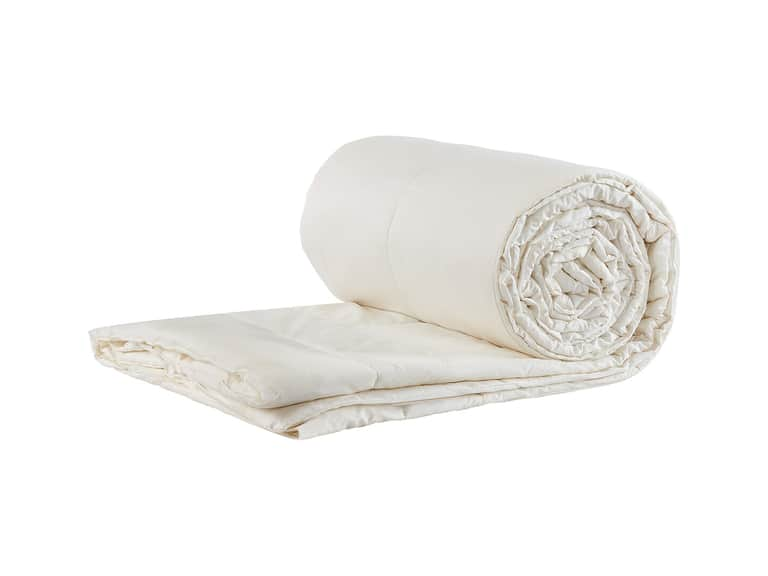
Within the Sleep and Beyond line, the myComforter variants illustrate how wool blends and certifications impact usability. Look for coverage sizes, edge finishing, and hypoallergenic considerations that support sensitive skin. Functional benefits include reduced night sweats, consistent warmth, and fewer temperature fluctuations throughout the night.
Wool comforters pair well with various bedding layers such as sheets and organic mattresses, supporting a balanced sleep environment. When selecting a wool fill, evaluate care instructions, drying tolerance, and wrinkle resistance to determine maintenance effort. Properly chosen, these comforters contribute to sustainable, durable sleep solutions with minimal synthetic additives.
Meta keywords tied to this category include bedding, pillows, sheets, organic mattresses, and adjustable beds, reflecting the broader sleep ecosystem. Understanding wool’s natural attributes—thermal regulation, odor resistance, and resilience—helps in choosing a comforter that aligns with personal comfort goals and overall bedroom comfort. Product names like Sleep and Beyond myComforter illustrate practical applications and benefits.
 Bedding